No-Cook Camping Snacks for Instant Fuel
Whether you’re hiking a mountain trail or fishing by the river, spending time outdoors always makes you hungry. But choosing
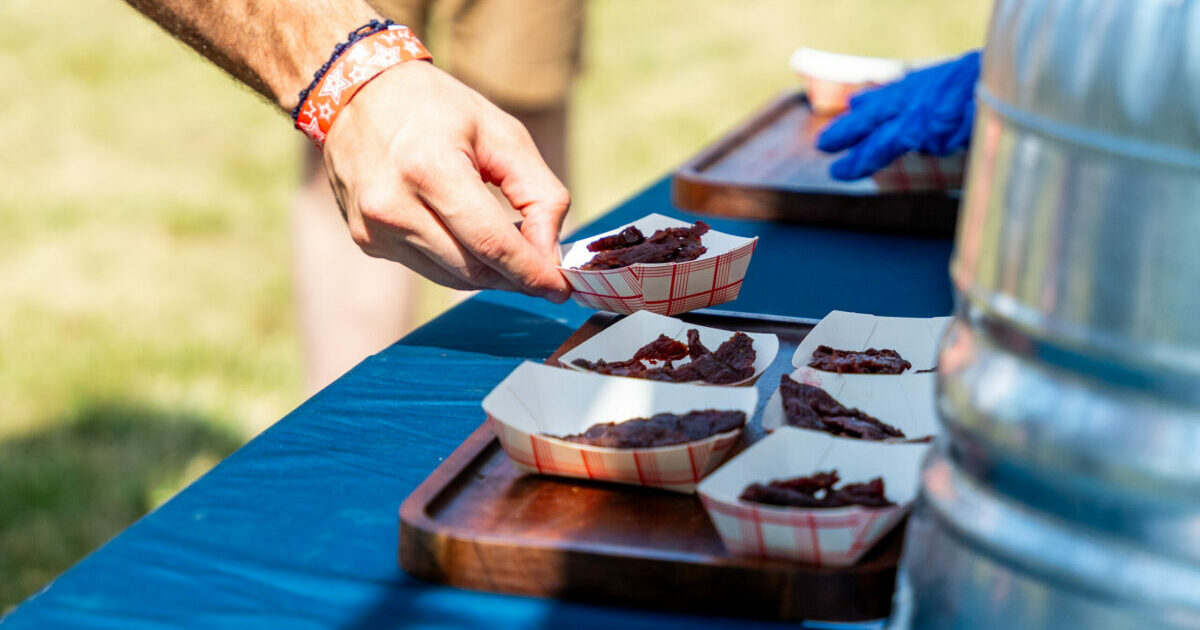
Beef jerky is a tried and true staple in many households and has been around for thousands of years. It’s a delicious snack that can be enjoyed by young and old alike. But jerky can also seem expensive, and you may be wondering: Is it cheaper to make your own beef jerky?
There are some definite advantages to both homemade and store-bought jerky. Here, we help you explore the differences so you can make the right choice for you.
The making of jerky dates back thousands of years and seems to have originated around the same time in both ancient Egypt and the South American Andes. Back then, food supply was often unpredictable. Canning and refrigeration weren’t invented yet, so people needed to come up with other ways to preserve their food. The making of jerky allowed ancient peoples to preserve meat for future use when their food supply was scarce.
All sorts of meats were used to make jerky, from llamas to bison. Some cultures dried thin strips of meat in the hot sun during the day and then exposed it to cold temperatures at night to freeze it. Others cured their meat by exposing it to smoke from fires.
Because today’s jerky is commercially produced you can easily find it at gas stations and grocery stores, or even find a recipe to prepare it yourself at home. While the process of making jerky has evolved over time, the basic concept of curing meat remains the same.
Is homemade jerky really that different from store-bought jerky? It can be! Everything from the ingredients used to the type of dehydration process you choose impacts the flavor, texture and preservation of the meat. Plus, each has its own advantages when it comes to cost and convenience. Let’s break it all down so you fully understand the differences.
The ingredients in store-bought beef jerky will always vary by brand. Depending on the flavor of the jerky, each one will have different seasonings and ingredients. For instance, a spicy beef jerky might use hot chili peppers, whereas a teriyaki-style jerky might be marinated with ginger.
Typical ingredients in store-bought jerky often include:
For homemade jerky, there are numerous recipes you can try which feature a wide variety of ingredients. This gives you more control over the flavor and lets you manage any food sensitivities you may have.
The trick to delicious beef jerky lies in the dehydration process. You need to remove enough moisture without zapping the flavor from it entirely. You also have to cook it fast enough that it doesn’t spoil first.
For jerky to be shelf-stable, it needs to reach an internal heat of at least 160 degrees. This removes enough water and destroys any bacteria in the meat. It may be cooked for several hours or up to a day to properly dehydrate it.
Because jerky businesses produce jerky in big quantities, they use large smokehouses, dehydrators and commercial ovens. Commercial jerky is often cured by smoking it and cooking it slowly at a high enough temperature. For homemade jerky, many people use their kitchen ovens or smaller dehydrators made for home use.
Making jerky takes a lot of time, from choosing the right cuts of meat to packaging it in airtight containers. It needs to be marinated for anywhere from four to 24 hours, and dehydrated long enough to achieve the right texture.
Store-bought jerky has a definite advantage over homemade jerky by saving you precious time. Instead of spending days preparing it, you can simply walk right into a store or purchase it online. Plus, buying jerky from a store lets you start enjoying it right away!
Making homemade jerky often requires an investment mindset. Besides meat and ingredients, you’ll also need a way to dehydrate and package it. If you’re planning on making jerky regularly, then it may be worth the cost.
If you’re someone who enjoys jerky only on occasion, then store-bought will be more up your alley. While buying jerky can feel expensive, there are ways to save money on your favorite snack.
Many brands allow you to buy jerky online and offer discounts for buying in bulk. If you’re getting jerky from a retailer, notice the price differences and go for the most cost-effective option. You can also buy large bags of jerky to get more bang for your buck.
Besides the purchase cost, another thing to keep in mind is the long shelf-life of jerky.
Homemade jerky can last up to two months, but store-bought jerky can last up to a year. If you’re going to make large quantities of jerky at home, you’ll need to consume it quickly. Otherwise, your jerky will spoil and be unsafe to eat, sending your hard-earned money and time down the drain.
Unopened store-bought jerky will keep for far longer in your pantry, desk drawer, backpack or car. If you like to have jerky on hand for multiple occasions, store-bought jerky allows you to open a bag and enjoy it whenever you choose.
This is a personal question. The value of store-bought jerky lies in its convenience, long shelf-life and ability to save you time and money. Store-bought jerky may seem expensive, but a lot of the cost comes from its carefully honed manufacturing process.
The cost of beef, labor, dehydration equipment, packaging and premium ingredients all play a role in the price of store-bought jerky. However, it may be worth it if you don’t want to spend days making jerky yourself—or money on quality ingredients and equipment.
You also need to consume homemade jerky faster than store-bought jerky, forcing you to remake it often. If you’re new to making jerky, you may also experience a costly trial and error period to get it just right.
With store-bought jerky, you can open a bag at your leisure and trust that it’ll taste great. Even though it needs to be refrigerated and eaten within a week once you open it, you have more control over how long you can store it.
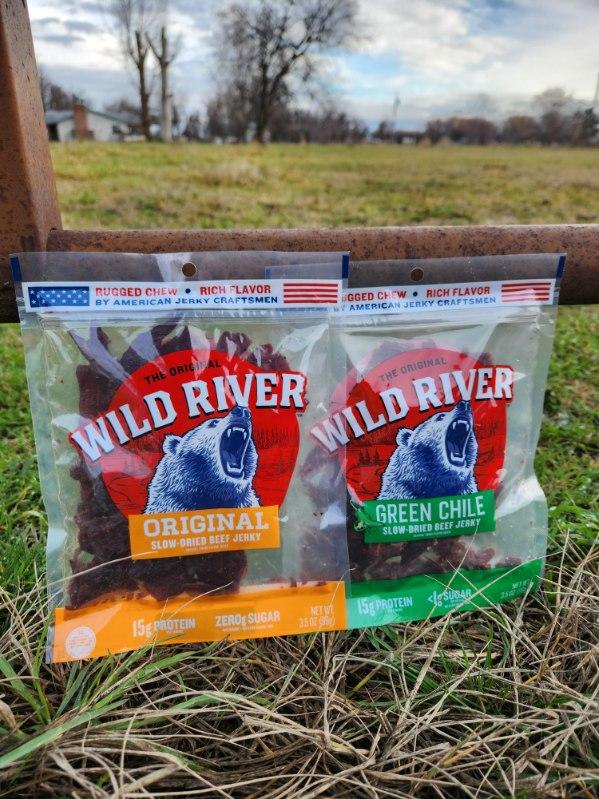
When you want the robust taste and rugged texture of beef jerky, we’ve got you covered. At Wild River, our jerky is slow-smoked with a signature blend of spices to deliver you a rich-tasting snack that takes you back to your roots. Find your favorite flavor by shopping our products today.
Wild River Jerky does not provide medical advice, diagnosis, or treatment. Any information published on this website or by this brand is not intended as a substitute for medical advice, and you should not take any action before consulting with a healthcare professional.