
Biltong and beef jerky might seem like the same thing at first glance. Both are dried meat snacks that may look and smell identical. It can be easy to confuse the two, and you may be wondering if there’s any difference at all.
When it comes to biltong vs. jerky, you might be surprised to learn that there are differences in how they’re made, their texture, and their taste. Let’s explore these differences so you can find a meat snack you’ll love.
What Are the Differences Between Beef Jerky and Biltong?
While beef jerky and biltong are both dehydrated meat snacks, there are several big differences between the two:
- Cooking and curing methods: Beef jerky and biltong are both dried, but the way they’re dried is very different. Jerky is not cooked at a high temperature, it is slow cooked or smoked, while biltong is airdried. Jerky is cured mainly using salt, while the curing agent in biltong is mainly vinegar.
- Cuts of meat: Old-fashioned beef jerky uses lean cuts of meat to achieve that classic rip and tear beef texture. Biltong, however, often is made with fattier cuts of meat so it can be soft.
- Nutrition: The cuts of meat and type of seasoning can create a difference in the number of calories each type of meat snack has.
- Texture: While both are marinated and dried, there’s quite a contrast in the textures between beef jerky and biltong.
- Flavor: From the cut of meat to the type of seasoning, the richness and taste can vary quite widely between each snack.
How Is Beef Jerky Made?
Making old-fashioned beef jerky starts with cutting lean strips of beef. These strips are marinated and seasoned with tasty spices and other ingredients. This could include soy sauce, salt, garlic, pepper, or molasses. The type of seasoning used will depend on the brand and flavor of the jerky.
Once marinated and seasoned, beef jerky is dehydrated using high amounts of heat. Strips are laid out and slowly cooked over several hours. Once cooked and cured, the beef jerky is safely placed in air-tight packaging to keep it preserved and ready to eat.
How Is Biltong Made?
One of the biggest differences between biltong and beef jerky is how they’re marinated, dehydrated, and sliced. We know that beef jerky is first sliced before being marinated. Then, it’s slow cooked and cured with salt, which can take between several hours and a full day.
Biltong, on the other hand, is first marinated, dried, and then sliced. During the marinating process, biltong may be cured in vinegar to prevent spoilage.
Biltong isn’t dried by any form of cooking. Instead, it’s air-dried. This drying process can last up to a week, depending on the cut of meat, the fat content, and the weather. Once dried, biltong is then cut into thin slices and sealed into air-tight packaging.
Cuts of Meat
Both biltong and beef jerky need lean cuts of meat. Less fat means there’s less moisture to dry out during the curing process. This also helps prevent the meat from spoiling and becoming rubbery or rancid.
While any cut of meat can be used for beef jerky and biltong, bottom rounds and top rounds are often used for both. However, biltong may use slightly fattier meat cuts than beef jerky. This fat content makes biltong more tender and soft.
Nutrition
Nutritional content in biltong vs. jerky will always differ by brand.
Since biltong is made with fattier meat cuts, it will have richer fat content.
In comparison, beef jerky is typically cut leaner than biltong. To find out the number of calories, fat, and protein in each serving, read the nutritional label found on each package.
The Texture of The Meat
The texture of jerky vs. biltong is vastly different. The end goal for beef jerky is to have a flavorful and tough texture, which is achieved through thin slices and high-temperature curing. When you chew on beef jerky, it’s often like chewing on steak—firm, long-lasting, and tough.
Biltong’s texture is often softer and thicker, so it’s cut more thickly than beef jerky. Biltong also tends to have more moisture due to being air-dried and sliced after it’s dried. This makes biltong pieces very tender and easy to consume quickly.
Flavors of Biltong vs. Beef Jerky
What about the flavor of biltong vs. jerky? Is there a huge difference?
Let’s start with how the curing process impacts taste. Beef jerky will always have a natural, smoky flavor if it is smoked. Biltong, on the other hand, will have a vinegary taste since vinegar is used to help preserve it while it’s air-dried. Since biltong uses fattier meat cuts, it may also have a richer flavor than beef jerky.
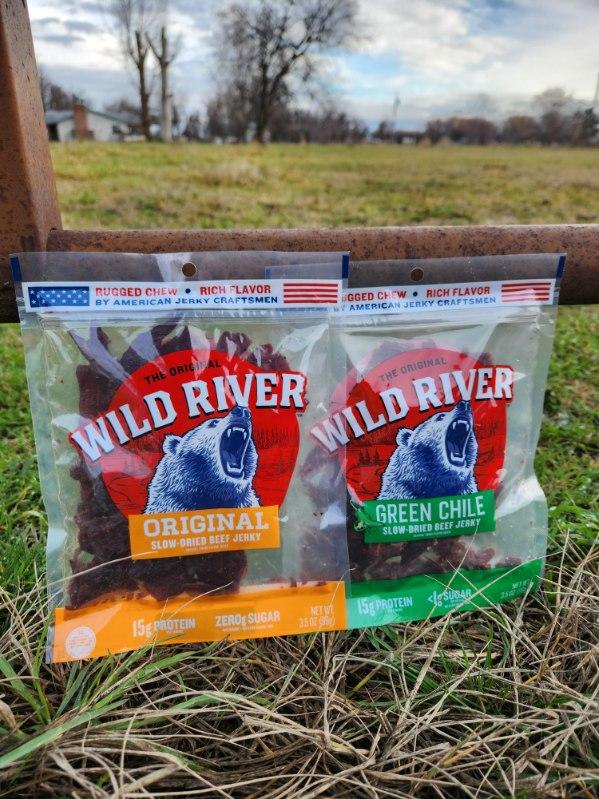
Different ingredients will also impact the flavor profile of each meat snack. At Wild River, our Mild Old Fashioned Beef Jerky is marinated with soy sauce and sea salt, giving it a robust flavor without overpowering the natural, beefy taste.
If you’re a spice-lover, our Hot Old Fashioned Beef Jerky brings the heat with a dash of chili pepper seasoning.
Beef Jerky or Biltong: Which Is Better?
Just to recap, beef jerky is thinner, chewier, and more rugged than biltong. It has a tough texture, whereas biltong is softer. Beef jerky has a smoky flavor, whereas biltong has a vinegary taste. So, which is better?
It all comes down to your personal preferences. If you’re a fan of old-fashioned jerky that takes time to chew, then the choice is obvious. With tough jerky, you get to savor it over time and relish each meaty, smoky bite. Plus, you get to enjoy a meat snack that’s a good source of protein.
For the Ultimate Long-Lasting Jerky, Try Wild River
At Wild River, we believe in making jerky that’s slow to chew and rich in flavor. From spicy green chile to traditional flavors, we have the perfect type of jerky for old-fashioned jerky lovers. Find your favorite delicious jerky by shopping our products online or at a store near you!
Wild River Jerky does not provide medical advice, diagnosis, or treatment. Any information published on this website or by this brand is not intended as a substitute for medical advice, and you should not take any action before consulting with a healthcare professional.